The Fortress of Tossignano
The fortress that watched over the Santerno valley for centuries
History of the Fortress
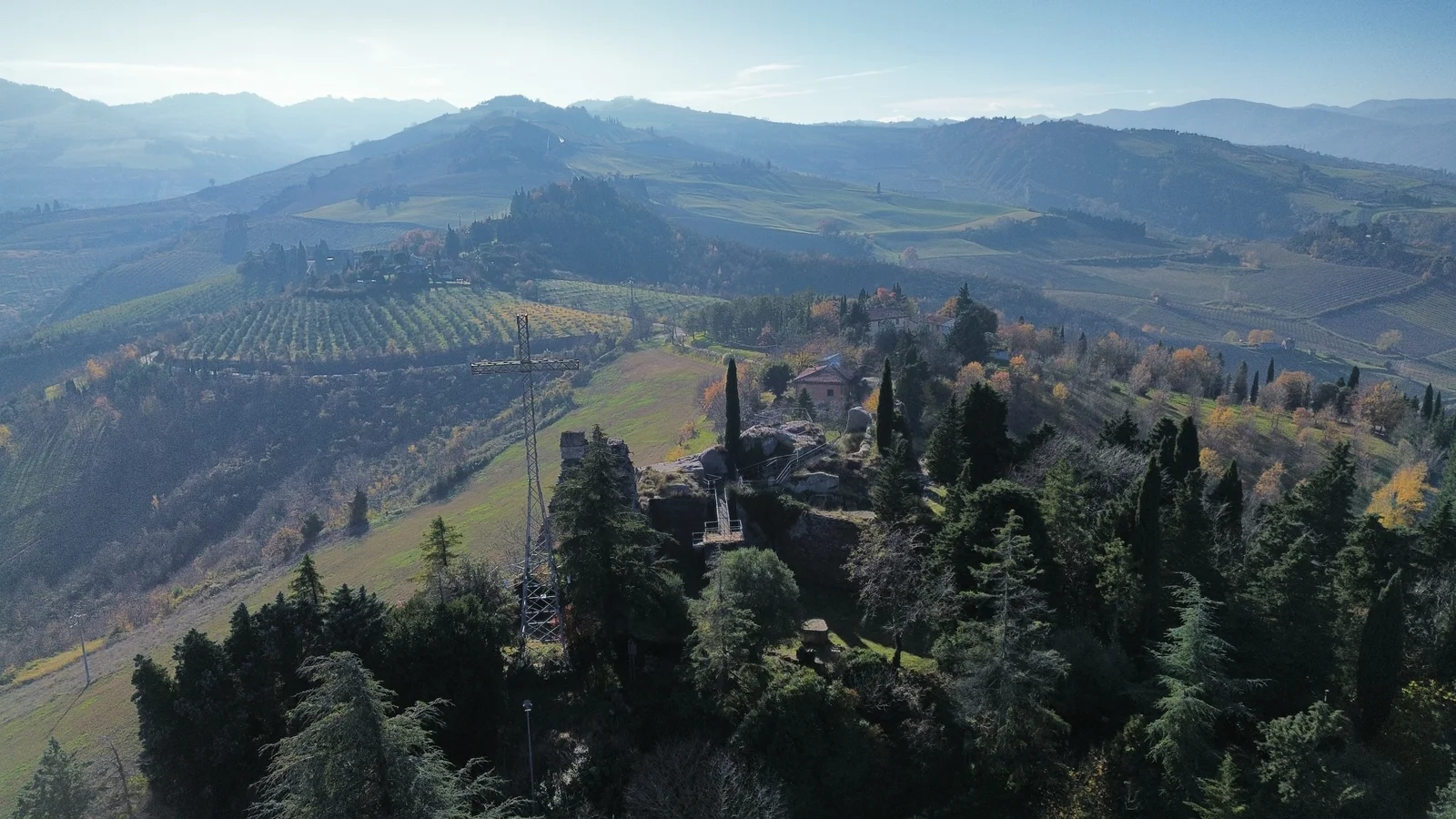
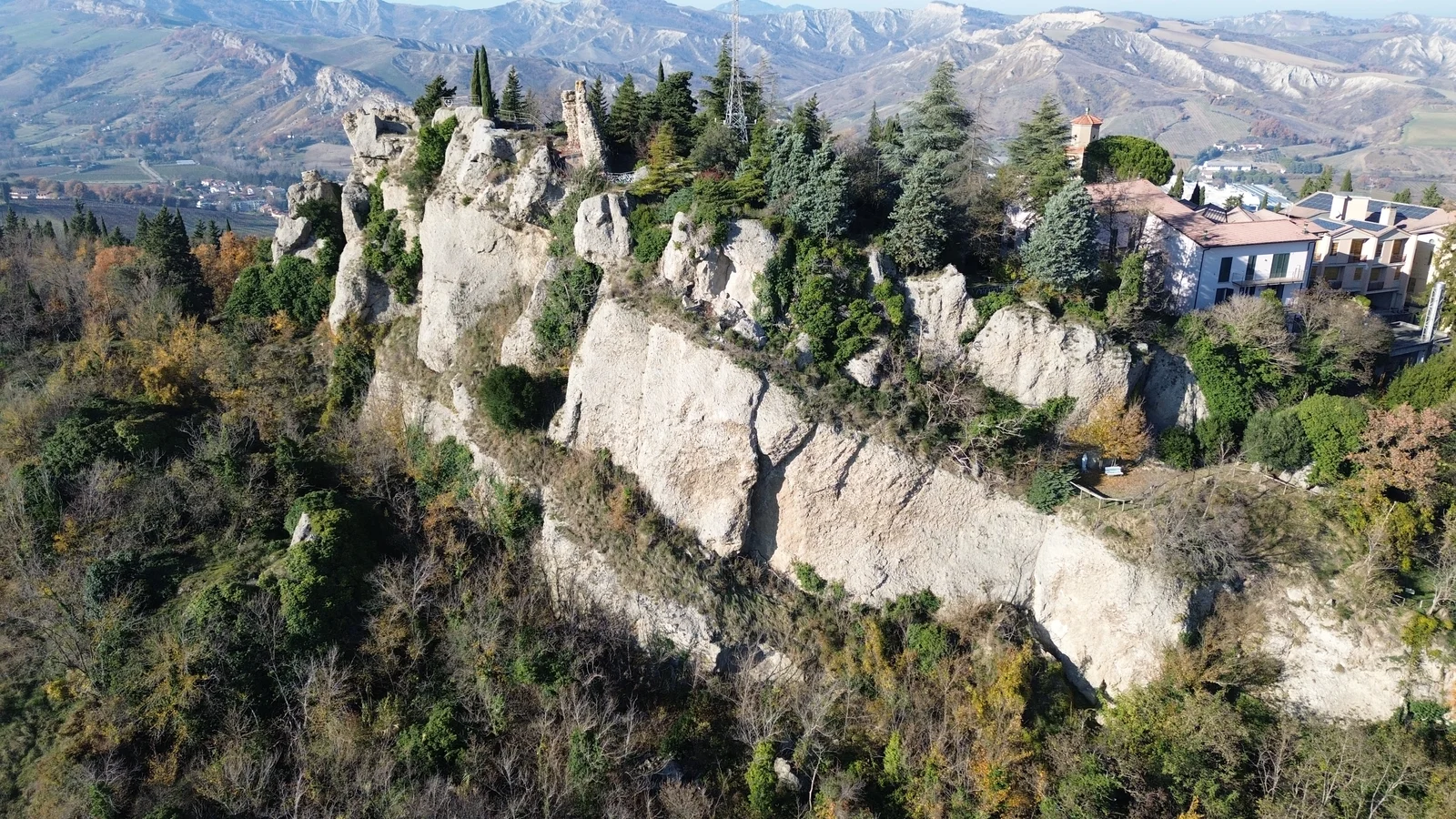
The Rocca of Tossignano stands on the gypsum slopes overlooking the village and the Santerno valley. The first document on the castrum dates back to 873 AD. In the Middle Ages, Tossignano was often the scene of conflicts between Guelphs and Ghibellines, with repeated destruction and reconstruction. In 1256, the Bolognese built an imposing fortress on the remains of previous fortifications, consolidating strategic control over the valley.
In the Renaissance period, the fortress was restored by Caterina Sforza, who strengthened the defenses to protect the territory. Later it passed under the control of various local lords, until its definitive destruction ordered by Pope Paul III Farnese in 1537-1538, as part of the wars of consolidation of the Papal State.
Architecture of the Fortress
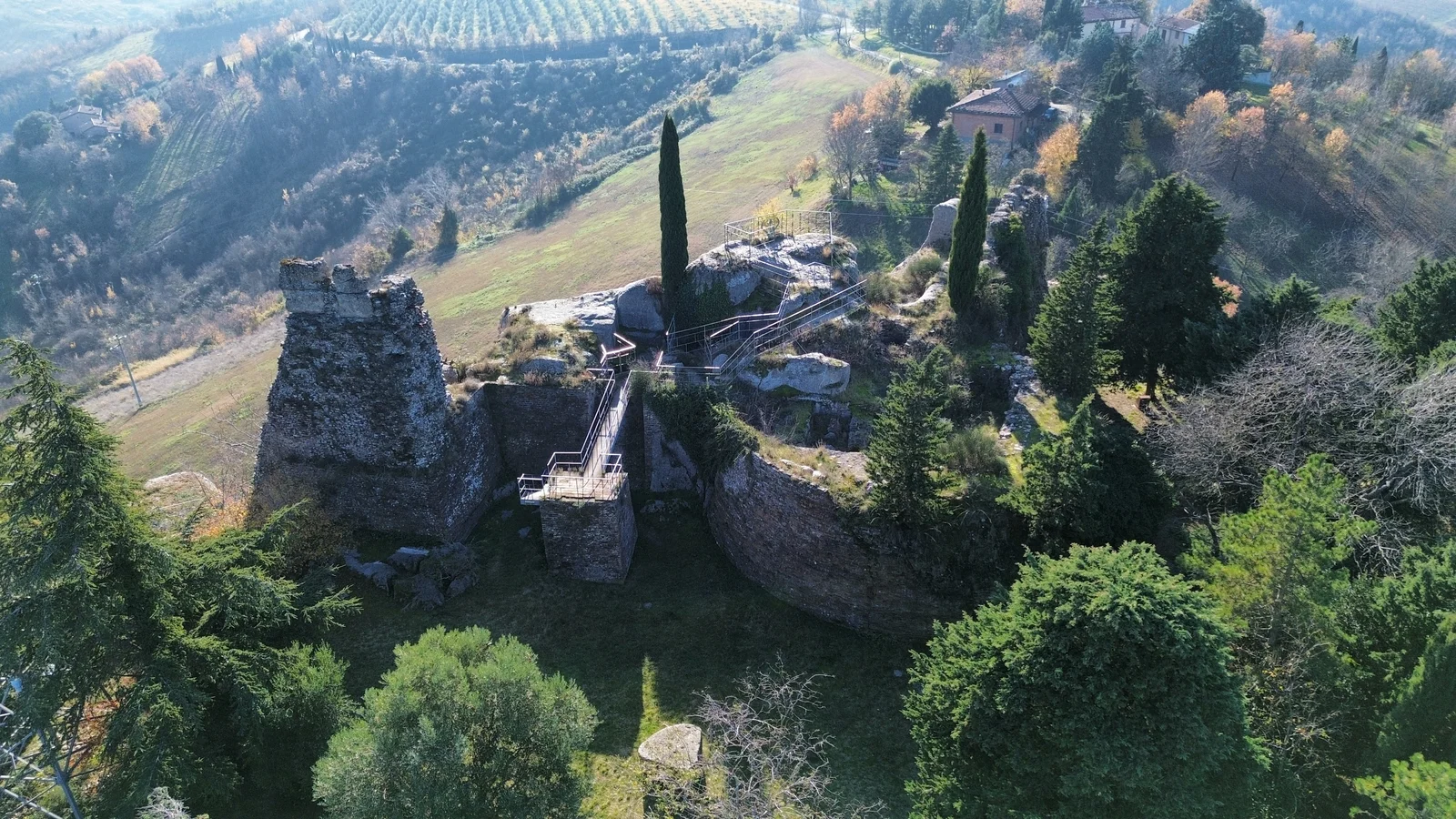
Of this ancient military complex, only a few but significant ruins remain today, testifying to its strategic importance:
Surviving Structures
- San Francesco Gate: the main access gate to the fortress
- Base of a square tower: dating back to the works of the Bolognese in the 13th century
- Round bastion: Renaissance defensive element
- Stretch of curtain wall: part of the perimeter walls
Strategic Position
The position of the fortress, on top of the gypsum spur, offered strategic control over the valley and a panoramic view, typical characteristics of medieval fortifications intended to protect the territory from incursions.
The ruins were the subject of recovery and enhancement in the 70s by local volunteers.