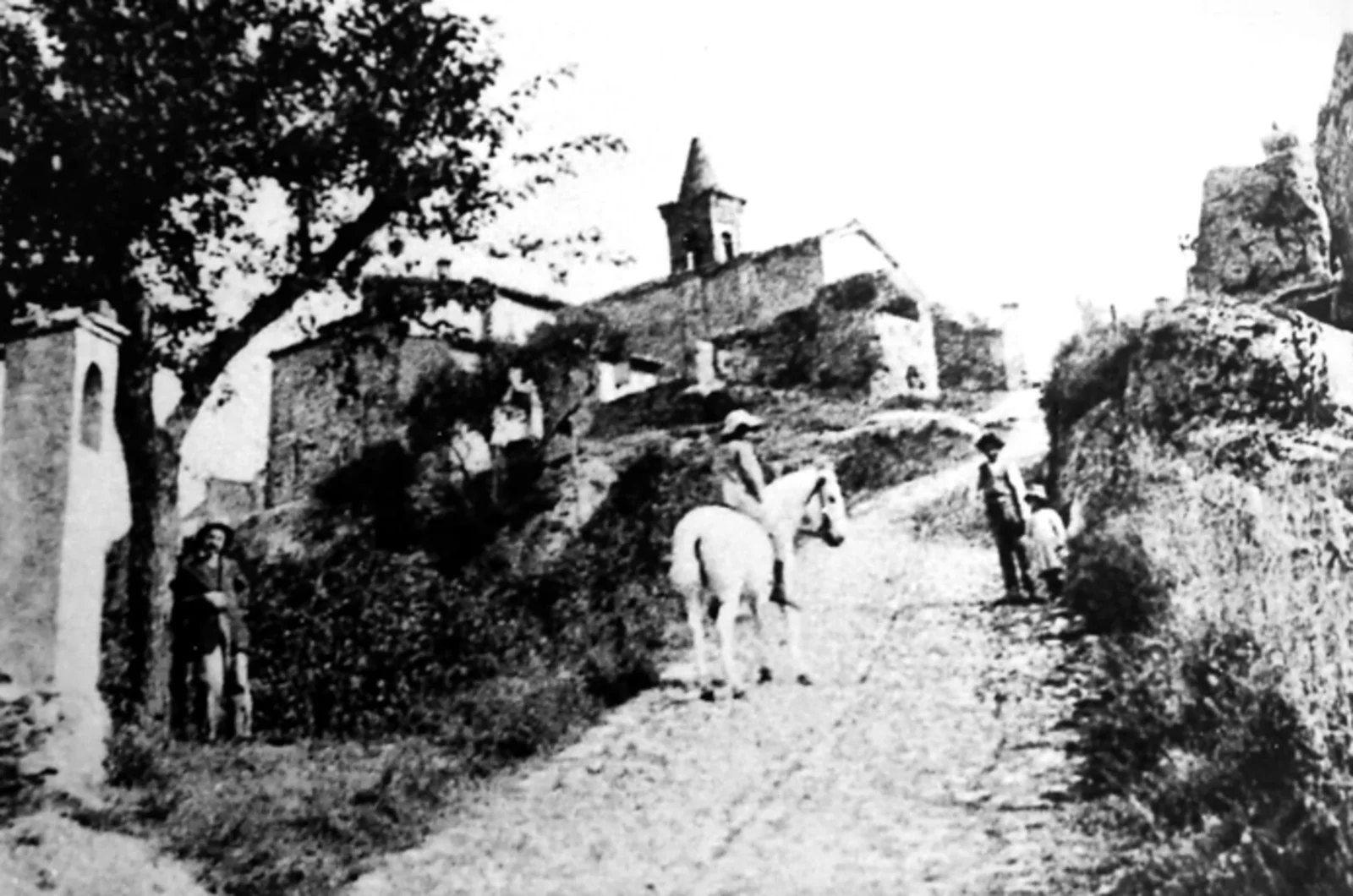
Oratory of SS. Rocco and Bernardino
A place of popular devotion at the entrance to Via Sasso
History of the Oratory
In 1711, the oratory of Saints Rocco and Bernardino was built by a nephew of the archpriest Don Antonio Angelini. The oratory was located at the entrance to Via Sasso, in a strategic position at the entrance to the village.
In 1714, just three years after its construction, the oratory welcomed the Company of the Crucifix, which had to abandon the oratory of Santa Croce, now dilapidated and destined for demolition. This passage marked the importance of the building in the devotional life of the community.
Gallery
The Patron Saints
San Rocco
San Rocco of Montpellier, a 14th-century pilgrim, is traditionally invoked as a protector against plague and epidemics. His presence in the oratory testifies to popular devotion and the search for health protection.
San Bernardino da Siena
San Bernardino, a great Franciscan preacher of the 15th century, was particularly venerated in Emilian communities. Tradition has it that he also preached in the church of San Francesco in Tossignano.
The Company of the Crucifix
From 1714 the oratory hosted the Company of the Crucifix, a lay confraternity dedicated to the devotion of the Passion of Christ and charitable works towards the community.
Photographic Testimony
A precious photograph taken at the end of the 1800s at the entrance to Via Sasso documents the appearance of the oratory before the devastations of the 20th century. This image represents one of the few visual testimonies of nineteenth-century Tossignano.
The oratory fit harmoniously into the urban fabric of the village, serving as a religious reference point for the inhabitants of the neighborhood and for travelers entering the town.
Historical Location
The oratory was located in Via Sasso, one of the main access roads to the medieval village. Its position at the entrance to the town was not accidental: San Rocco was often placed to protect city gates and places of passage.
Today, although the building is no longer present, the memory of the oratory remains alive in local toponymy and history, recalling the importance of popular devotion in the daily life of the village.
×
![Ingrandimento]()